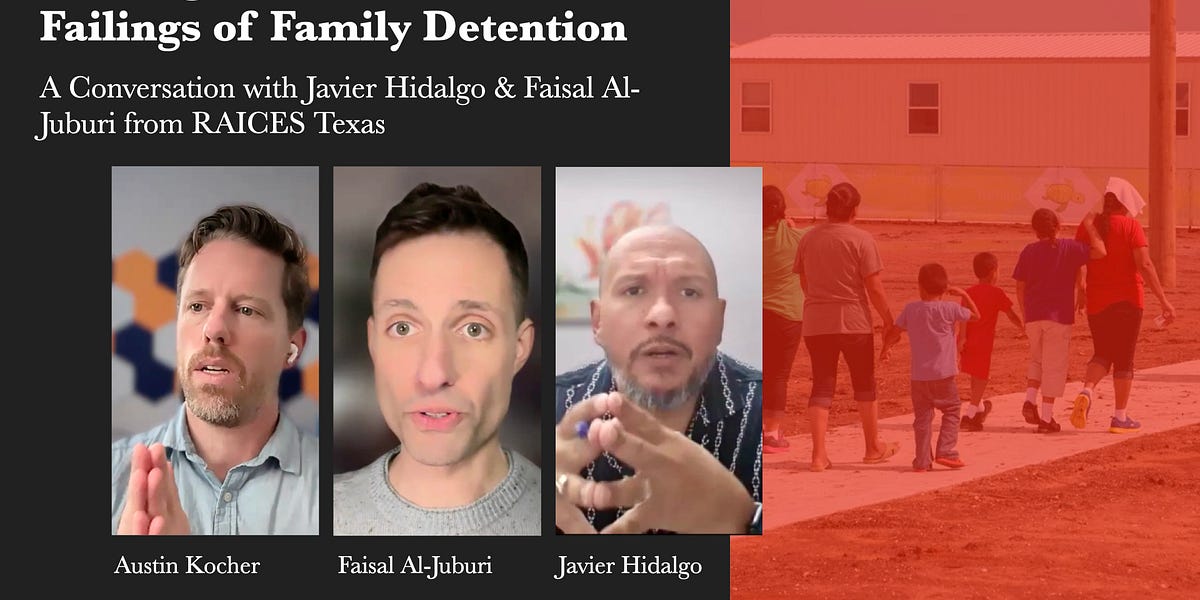
The Legal, Medical, and Moral Failings of Family Detention: A Conversation with Javier Hidalgo & Faisal Al-Juburi from RAICES Texas
We are living through an era of exceptionally punitive immigration enforcement policies.| austinkocher.substack.com
We are living through an era of exceptionally punitive immigration enforcement policies.| austinkocher.substack.com

As government human rights reporting becomes less comprehensive, historian Elliott Young's applied scholarship fills critical information gaps with rigorously documented country conditions research.| austinkocher.substack.com

ICE represents its enforcement surge as targeting dangerous criminals, but data tells a different story. Why non-criminals will make up the bulk of ICE arrests, detentions, and deportations.| austinkocher.substack.com

In this issue: ICE's latest detention data contains errors, growth of non-criminal detainees continues, and DHS Secretary Kristi Noem's inadequate claims about ICE arrests.| austinkocher.substack.com
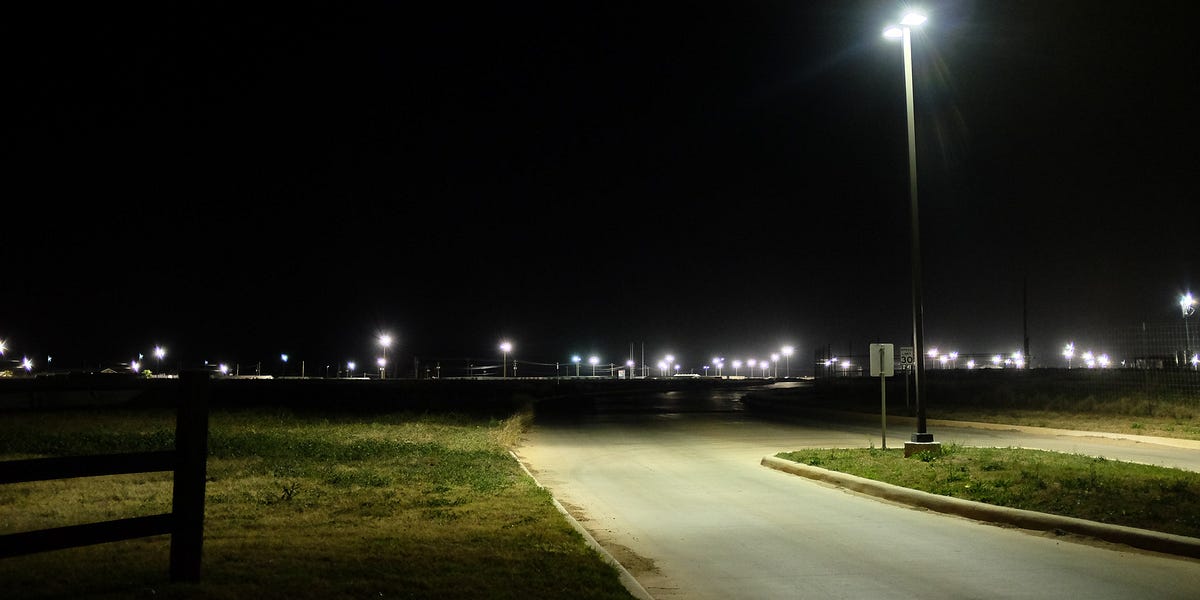
Family detention ended after years of lawsuits, medical warnings, and public outrage. Now, it’s back—despite clear evidence that it’s harmful, costly, and ineffective. Get the full story below.| austinkocher.substack.com

Join me in creating a more informed, compassionate, and impactful conversation on immigration at this crucial time in our history.| austinkocher.substack.com

As Congress considers expanding immigrant detention from 41,000 to 100,000 beds, this timely discussion will unpack the political and economic forces fueling the detention system.| austinkocher.substack.com
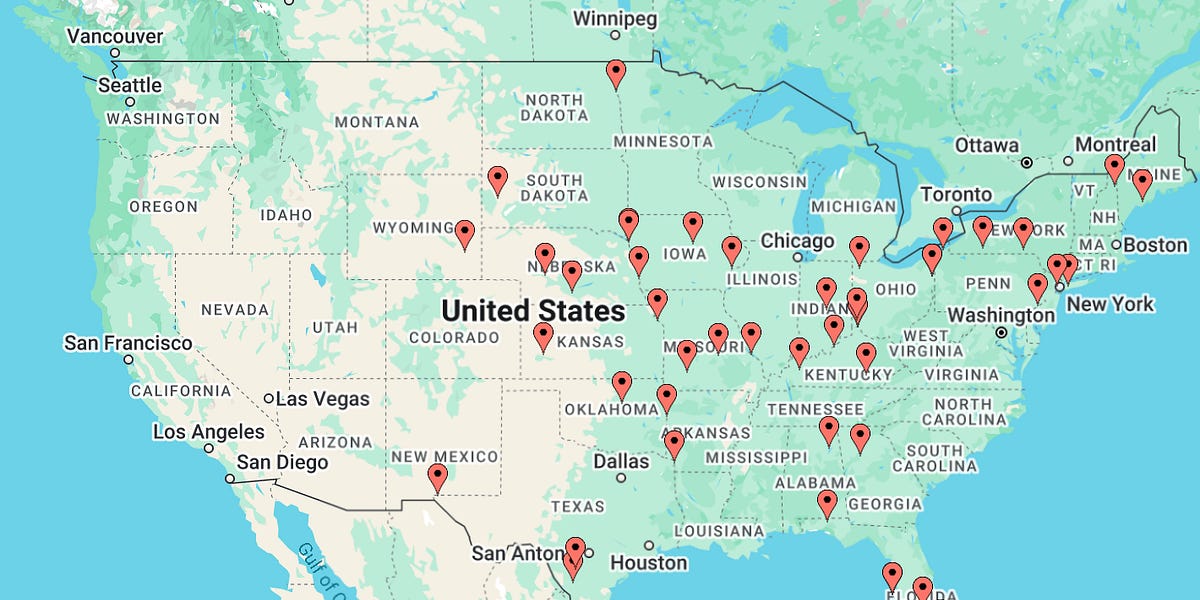
ICE detention numbers are up alongside spike in new detention facilities and new 287(g) agreements. Nearly 25% of detainees now have no criminal histories.| austinkocher.substack.com
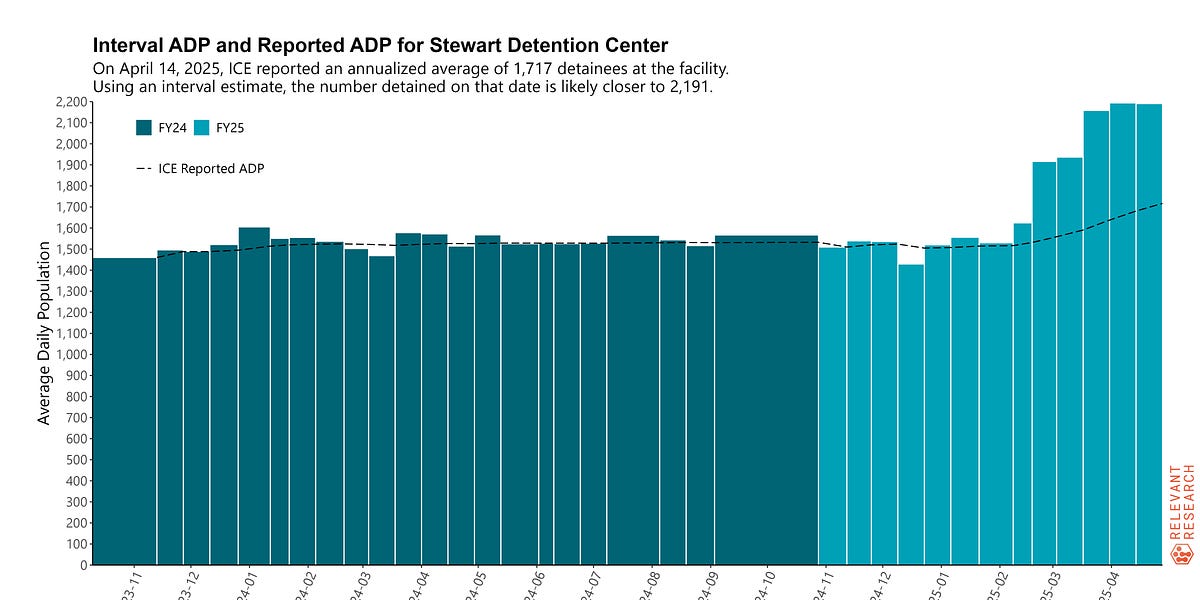
A new method for analyzing ICE data reveals recent spikes in the number of people held in ICE facilities like Stewart and Moshannon, trends normally obscured by ICE’s year-to-date reporting averages.| austinkocher.substack.com